Introduction:

Before you begin a new project you may be wondering what kind of yarn to choose. Between the different fibers, sizes, and types of yarn available it may be a bit overwhelming at first. The easiest way to begin to understand your options is by learning to read yarn labels. These labels will offer you different information such as the type of fiber used, the weight (size) of the yarn, how much is in a skein in weight and length, gauge, laundering instructions, and dye lot. Below, we’ll touch on how this information can help you choose the right yarn for your project.
Material:

When choosing a yarn for a project, you should first consider the purpose of what you’re making. For instance, if you’re planning on making something like a pot holder that requires it to be in direct contact with heat, avoiding something like acrylic would be best. Acrylic yarn is made of plastic and would just melt on contact. Cotton would be a much better fiber to consider for a pot holder since it is much more heat resistant.
Another factor to consider is allergies. Yarn made out of animal hair, like wool, can cause skin irritation for people with certain allergies. If you were making something as a gift, but didn’t know for sure if this person had a sensitivity to the material, using something like acrylic yarn may be a safer choice.
Every different fiber (or combination) will have their own pros and cons. It’s great to experiment with different fibers, see which ones you like more than others, and have fun getting comfortable with crochet! If you’re ever unsure of a specific material there are plenty fo resources online to help see if it’s right for you.
Weight (Size):
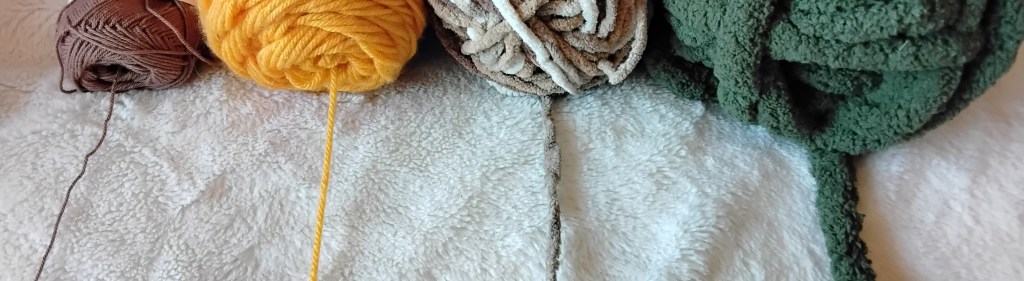
On yarn labels and in patterns, when you see weight, it’s usually referring to the size of the yarn. Yarn weights will vary from 0 (lace) to 7 (jumbo) and each yarn will be labeled with a number and possibly a descriptor such as fingering or chunky. The smaller the number, the smaller the size.
Just like with material, each weight of yarn will have it’s own pros and cons. When making something like a blanket, weight 4 is the most common size yarn I’ve seen used. It’s also commonly called worsted weight or afghan yarn. This is a medium sized yarn and one of the easiest to find which may be why it’s frequently seen in a variety or projects. Just because it’s regularly used, though, doesn’t make it the only option. Using a higher weight yarn like a chunky or plush yarn would make a blanket that works up quickly, is heavier, and soft. Because it’s a thicker yarn, though, each skien won’t hold as much and you’d need to buy more balls in order to complete a project. This could make the price for materials go up quite a bit but would also result in a cozy finished piece. On the other hand, using a thinner yarn would be good for finer detail work. You would run into a similar issue of needing more materials to complete your work but the end result would be stunning.
Along with listing a yarn’s weight, the label will also give a suggested hook size. This would be the hook recommended when making a flat piece like a scarf or a blanket. It is the best size for consistent stitches throughout a project when using that weight yarn. With that in mind, there may be a few instances when adjusting your hook size is a good idea.
You may want to consider switching to a larger or smaller hook if you’re having trouble with your tension. Tension is how loose or tightly you pull your stitches. If your tension is consistant and regular, you shouldn’t have to worry about using the recommended size. If you’re stitches are too tight or too loose, though, and you are having trouble adjusting your tension, using a slightly different hook to compensate is an easy way to fix your tension.
Another time to use a differenct size hook would be when making amigurumi. Amigurumi is the art of making crochet stuffed animals or plushies. When crocheting something meant to be stuffed, ensuring your stitches are tight is a necessity. If your stitches are too loose, your stuffing will start coming out. To stop this from happening, amigurumi patterns will typically call for a smaller hook size.
Overall, knowing what type of project you’ll be making and what result you’re aiming for will determine what weight yarn you will need. In my opinion, experimenting and seeing what you can do is half the fun of crocheting. The only limit is your creativity, but knowing your options and which tools are best for the job is the best way to accomplish your goals.
Length and Weight:
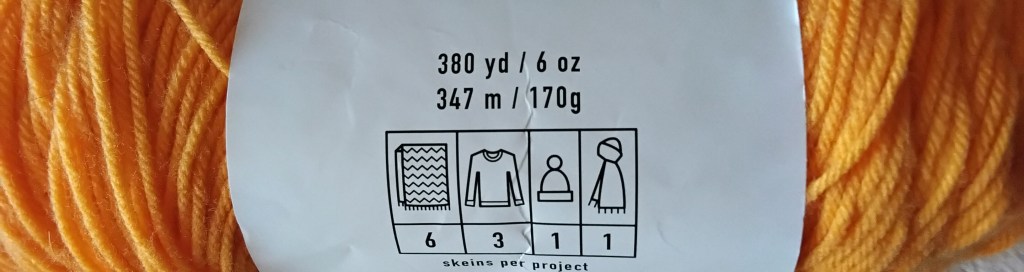
Labels will always list how much yarn a skein contains. This will be somewhere on the label written in both lenght and weight. Many patterns will tell you how much yarn you’ll need to complete it and knowing the amount in each skein helps determine how much yarn you’ll need to purchase. Knowing beforehand how much material you’ll need can help save time later so you won’t run out partway through.
Gauge:

Gauge will be listed with the yarn weight and recommended hook size. It will tell you how many stitches by how many rows you need to get a square of a certain size. An example would be 7 single crochets for 8 rows should give you a 10cmX10cm square when using the recommended hook for the specific yarn. Making a gauge swatch with the recommended row and stitch counts is the best way to check your tension and see if you need to adjust the hook size for your project.
To be completely honest, I have only ever made a gauge swatch a handful of times. I wouldn’t say its a necessary part of crocheting, but it is very useful if you’re trying to make something a specific size. If you’re making a wearable like a sweater or a dress, ensuring you have the right gauge may be necessary in order to get the right size for the end product. Making something like a blanket wouldn’t necessarily need a gauge swatch before beginning, but if you’re trying to make a certain size blanket it may be a good idea.
To sum this section up, making a gauge swatch for every project isn’t necessary but it could help save you from having to restart a project if it starts working up too big or too small. Spending a short amount of time checking your gauge can prevent you from having to undo hours of hard work later.
Laundering Instructions:
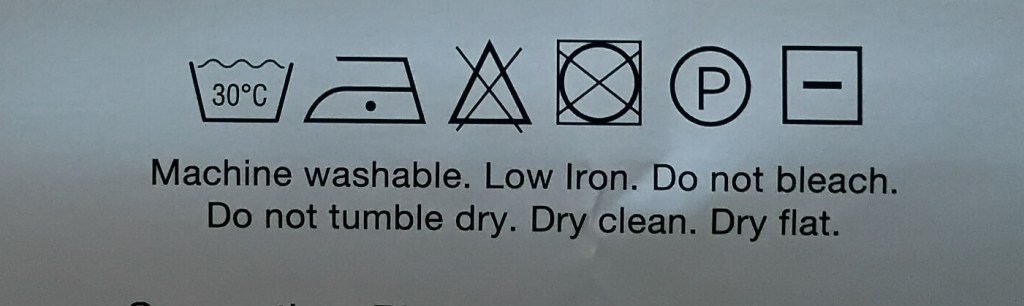
Each material will have their own set of care instructions. Listed on the labels, specific laundering information will be provided. In order to get the best life out of your yarn and finished project, it’s best to follow the provided directions.
Dye Lot:

When making a project using more than one skein of the same color yarn it’s important to be mindeful of the dye lot. Not every brand will provide a dye lot number but it’s important to check. The dye lot number will let you know it two skeins of yarn were dyed in the same batch. If they were, the colors should match up perfectly. If not, they may have some variation between skeins, even if they are the same color from the same brand. Most skeins shouldn’t have enough difference between dye lots but sometimes the differences can be fairly drastic. Especially with darker colors, like black, the color can differ quite a bit.

 Handmade From Rachael
Leave a comment